The strongest form of judgement combines an understanding of the broader system with the ability to adapt to real circumstances; and the problem is that systems tend to privilege the first and ignore the second.
-Joanna
Taxidermy
Taxidermy is what happens when something living becomes easier to look at than to understand. In Seeing Like a State, Scott describes the way complex systems are stripped down into something static and legible. The result is tidy, but no longer true. The problem is not that we simplify. It’s that we forget what has … Read more
When Access Fails: A Practical Escalation Brief
From time to time, I’m asked what to do when a venue’s lift is out of service and inclusive access is effectively lost. These situations are rarely malicious, but they are often mishandled — not because people don’t care, but because responsibility is diffuse, urgency is underestimated, and the implications aren’t clearly articulated. Recently, I … Read more
Some thoughts on inclusion
I’ve been thinking about how easily inclusion slips from being a principle into being a tone.When that happens, it starts to sound kind, but it stops being equal. In many policy and practice settings, inclusion is now spoken about primarily in the language of care. People are to be looked after, supported, kept safe. These … Read more
Belonging isn’t a favour
Inclusion, particularly in the disability and NDIS space, has started to sound like a favour being done for people with disabilities. You can hear it in the language: “We’re trying to include you.” “We want to make sure you’re looked after.” The tone is kind, but the framing is wrong. It places people with disabilities … Read more
The Disappearing Word: Conscience in Modern Leadership
There was a time when conscience appeared naturally in the language of public life. Leaders invoked it without irony. It was understood as part of the moral architecture of leadership — not a private quirk, but a public expectation. Today the word sounds almost archaic, as though it belongs in sermons or memoirs rather than … Read more
Backup, Not Care: The Contradiction at the Heart of SDA and SIL
I’ve recently written to the NDIA and to my local representatives about the contradictions in how Specialist Disability Accommodation (SDA) and Supported Independent Living (SIL) are funded. I want to share that letter here too, because these issues are not just mine — they affect many of us who are trying to live ordinary lives … Read more
Disability Access is (still,) like organic fruit
“Disability access is still treated like a boutique extra, not a baseline right — more like organic fruit than bread and milk. A reflection on inclusion, cost, and what true equity asks of us.”
Misfit
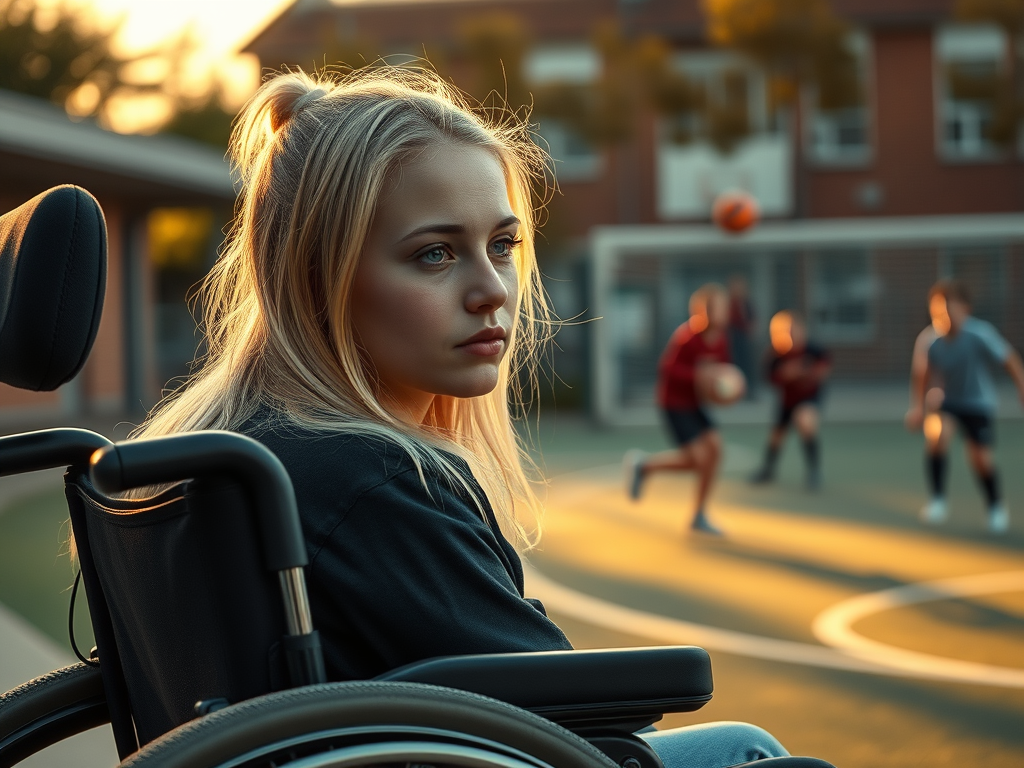
I’ve always felt like a misfit among what I call the able-bodied folk or uprights. I knew I wouldn’t fit in – I come with wheels attached. Take sport, for example. Netball was the girls’ sport at school, but I couldn’t play school sports because the netball courts of the late 80s and 90s weren’t … Read more
was it heckling?
I was asked not too long ago to start documenting some of those casual remarks and informal barbs that I experience as a woman with a disability—things that happen far more often than I care to admit. I’ve always been torn about whether this is a good idea. On one hand, sharing these experiences can … Read more